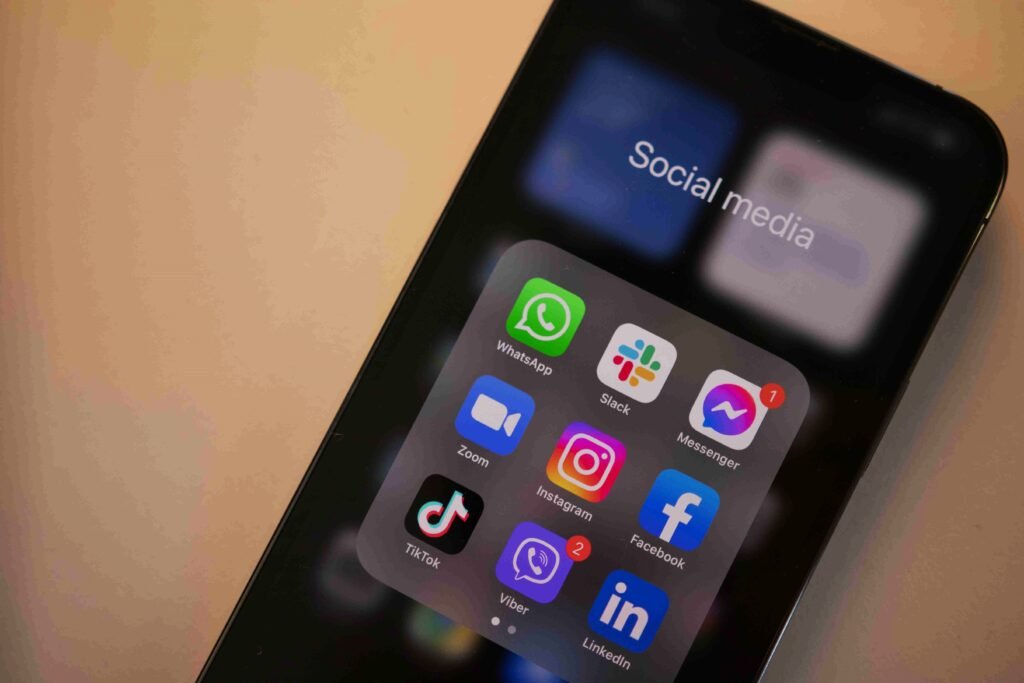

Social Media Tips for Beginners A Complete UK Starter Guide
If you are new to social media, it can feel confusing at first. There are so many platforms, content ideas, posting rules, and growth tips that it is easy to overthink everything. The good news is that you do not need to do everything at once. With the right approach, you can build a strong social media presence step by step and start seeing progress. This UK starter guide is designed to help beginners understand the basics of social media in a simple, practical way. Whether you want to grow a personal brand, promote a small business, or learn how to use social media more effectively, this guide will give you a clear path to follow.
What Social Media Means for Beginners
Social media is more than just posting photos or sharing updates. It is a powerful way to connect with people, build trust, share your ideas, and grow an audience. For beginners, the main goal should not be to go viral overnight. Instead, focus on learning how each platform works and how to create content that feels useful and consistent. In the UK, social media is widely used by individuals, creators, freelancers, and businesses. That means there is plenty of opportunity, but also a lot of competition. The best way to stand out is to keep things simple, stay consistent, and provide value to your audience.
Choose the Right Platform
One of the first social media tips for beginners is to choose the right platform instead of trying to be active everywhere. Each platform has its own style, audience, and content format.
If you are a beginner, here is a simple way to think about it:
- Instagram is great for visual content, reels, stories, and personal branding.
- TikTok works well for short videos, trends, tips, and fast engagement.
- Facebook is useful for community building, groups, and business pages.
- LinkedIn is ideal for professional content, networking, and industry advice.
- YouTube is best for longer videos, tutorials, and educational content.
Start with one or two platforms that match your goals. This will help you save time and build confidence before expanding further.
Set Clear Goals
Before you start posting, decide what you want to achieve. A lot of beginners create content without a clear purpose, which makes it harder to stay consistent. Your goal could be to grow followers, drive website traffic, build brand awareness, or attract customers. Try to make your goals specific. For example, instead of saying “I want more followers,” say “I want to grow my Instagram by 500 followers in three months.” Clear goals give your content direction and help you measure success more easily.
Build a Simple Profile
Your profile is often the first thing people notice, so it should be clear and easy to understand. A strong profile helps people quickly know who you are and what you offer.
Make sure your profile includes:
- A clear profile photo or logo.
- A short bio that explains what you do.
- A link to your website or landing page.
- A consistent username across platforms.
- A professional and friendly tone.
If you are using social media for a business or personal brand, your profile should instantly tell visitors why they should follow you.
Create Useful Content
Good content is the heart of social media success. Beginners often think they need perfect designs or expensive equipment, but that is not true. What matters most is creating content that is helpful, relevant, and easy to understand.
A good content mix can include:
- Tips and advice.
- Behind-the-scenes posts.
- Short videos.
- How-to guides.
- Personal stories.
- Common mistakes to avoid.
- Questions or polls for engagement.
If you are not sure what to post, think about the problems your audience faces. Then create content that helps solve those problems in a simple way.
Stay Consistent
Consistency is one of the most important social media tips for beginners. You do not need to post every hour, but you do need a regular posting routine. Consistency helps people remember you and also helps platforms understand that your account is active. Start with a schedule you can actually maintain. For example, posting three times a week is better than posting daily for one week and then disappearing for a month. The key is to build a habit that works for your lifestyle and goals.
You can also stay consistent by using a content calendar. This helps you plan your posts in advance and avoid last-minute stress.
Use Simple Captions
A strong caption can make your content more engaging. Many beginners overthink captions and try to sound too formal. Instead, write like a real person. Keep your message clear, useful, and natural.
A good caption often includes:
- A hook or opening line.
- A useful tip or message.
- A clear call to action.
For example, you might ask your audience a question, encourage them to share their thoughts, or invite them to save the post for later. Captions do not need to be long, but they should support your content and encourage interaction.
Learn Basic SEO for Social Media
SEO is not just for websites. It also matters on social media, especially when people search for topics, hashtags, or creators. Using the right keywords in your bio, captions, and profile can help more people find you.
For example, if your content is about beginner social media tips in the UK, you can naturally use phrases like:
- Social media tips for beginners.
- UK social media guide.
- Beginner social media advice.
- Social media growth tips.
- Social media content ideas.
Do not stuff keywords into every sentence. Just use them naturally in a way that makes sense for readers and search visibility.
Engage With Your Audience
Social media is not only about posting content. It is also about building relationships. If people comment on your posts or send messages, take time to reply. Engagement helps you create trust and makes your account feel more human. You can also engage with others by commenting on posts, joining conversations, and supporting people in your niche. This can help you grow your visibility and build a stronger community over time. The more active and genuine you are, the more people will want to follow and interact with your content.
Track What Works
As you post more content, pay attention to what performs well. Look at likes, comments, shares, saves, views, and profile visits. These numbers can tell you what your audience likes most.
If certain posts get more engagement, create more content around that topic. If a platform is not working for you, adjust your strategy instead of forcing it. Social media growth is often about testing, learning, and improving over time.
You do not need to be perfect. You need to stay curious and keep learning from your results.
Avoid Common Beginner Mistakes
Many beginners make the same mistakes when starting out. The good news is that most of them are easy to avoid once you know what to look for.
Some common mistakes include:
- Trying to be active on too many platforms at once.
- Posting without a clear goal.
- Ignoring captions and profile details.
- Copying other creators instead of being authentic.
- Giving up too soon when results are slow.
If you can avoid these mistakes, you will save time and build a stronger foundation for growth.
Final Thoughts
Starting with social media does not have to be overwhelming. The best approach is to keep things simple, stay consistent, and focus on helping your audience. Choose the right platform, set clear goals, create useful content, and improve as you go. This UK starter guide is only the beginning. As you learn more, you will become more confident in your posting, your message, and your overall social media strategy. The most important thing is to start, stay patient, and keep moving forward.